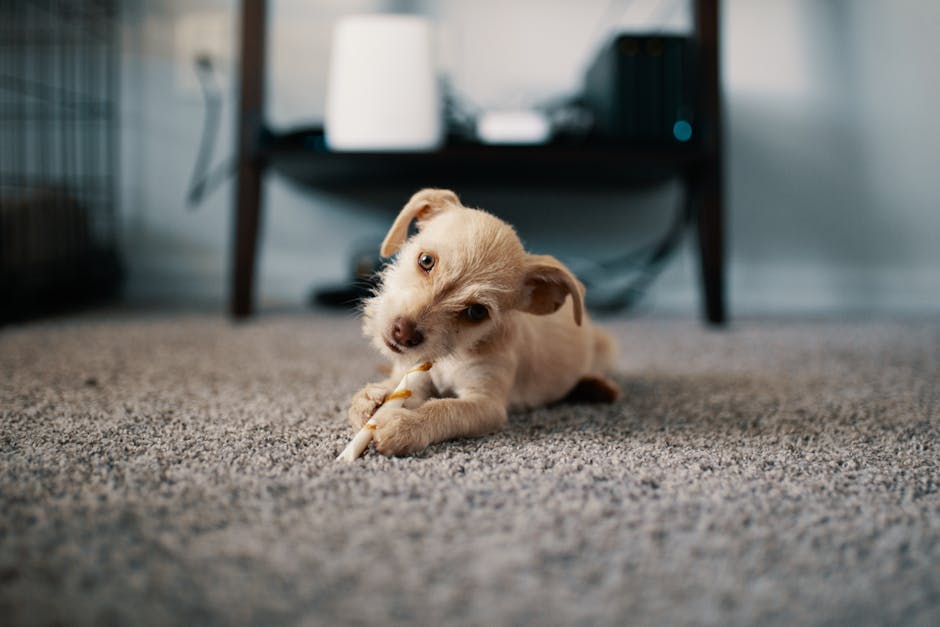
Elthorne Park Carpet Cleaning Guide for Pet Owners
If you share your home with a dog, cat, or the occasional very enthusiastic rabbit, you already know carpets can turn into a battleground. Muddy paws, hair, little accidents, and that stubborn pet smell can build up quickly. This Elthorne Park carpet cleaning guide for pet owners is here to help you keep your carpets looking better, smelling fresher, and lasting longer without making the whole process feel like a weekly crisis.
Truth be told, pet-friendly carpet care is not just about removing visible marks. It is about dealing with what has soaked down into the fibres and underlay, preventing repeat staining, and choosing cleaning methods that are safe for animals as well as people. That balance matters, especially in busy family homes where pets come in from the garden, from the park, or straight through the front door after a wet London afternoon.
In this guide, you will find practical steps, realistic maintenance advice, and a few sanity-saving tips for handling stains and odours before they settle in for good. We will also look at when it makes sense to use professional pet stain and odour removal, how carpet cleaning works, and what to expect from a proper service.
Table of Contents
- Why this matters for pet owners in Elthorne Park
- How carpet cleaning works in pet homes
- Key benefits and practical advantages
- Who needs this guide and when it makes sense
- Step-by-step guidance
- Expert tips for better results
- Common mistakes to avoid
- Tools, resources and recommendations
- Law, compliance, standards and best practice
- Options, methods and comparison table
- Case study or real-world example
- Practical checklist
- Conclusion
- Frequently asked questions
Why Elthorne Park Carpet Cleaning Guide for Pet Owners Matters
Pet ownership changes the way carpets wear. A home with pets is not the same as a home without them, and honestly that is the simple truth. Hair catches in loops, tiny bits of grit get ground in, and accidents can stain in a way that looks minor on the surface but reaches far deeper than you might expect. If you leave it, the carpet can start to hold onto smell even after a quick tidy-up.
That is why a local-minded approach matters. In places like Elthorne Park, where many households are juggling outdoor walks, school runs, and busy routines, the carpet gets very little time to recover. A dog that darts straight from damp grass onto a hallway runner. A cat that misses the tray once. A puppy still learning house rules. These are all normal situations, but they need a practical response.
Carpet cleaning for pet owners is also about hygiene and comfort. A carpet that looks clean can still harbour allergens, dried residue, or old odours. You may notice the smell most on damp days, when humidity brings it back out. Not pleasant. And not something a quick spray always fixes.
Pet-friendly cleaning matters because the wrong approach can make things worse. Excess water can spread a stain. Strong fragrances can mask odour for a day and then disappear, leaving the problem untouched. Harsh products can also bother sensitive pets. So the aim is not just cleaner carpet. It is a better, safer routine.
How Elthorne Park Carpet Cleaning Guide for Pet Owners Works
The basic idea is straightforward: remove loose debris, treat the stain correctly, extract the dirt from deep in the fibres, and then dry the carpet properly. The tricky bit is that pet messes are rarely one-note. A stain may contain moisture, oils, bacteria, hair, and odour-causing residue all at once. That is why a one-step fix often disappoints.
Professional carpet cleaning methods usually fall into three broad stages. First, inspection. Then pre-treatment. Finally, cleaning and extraction. For pet homes, the pre-treatment stage is often the most important because it helps break down the residue before the deep clean starts. If the odour source is still there, the smell can return after drying. Been there, seen that, and it is frustrating.
For many pet owners, steam carpet cleaning is a strong option because it can lift embedded dirt and refresh the pile effectively. That said, not every carpet or stain needs the same method. Some delicate fibres, old glue-backed flooring edges, or very sensitive areas may need a more cautious approach. A good cleaner will assess rather than simply blast away and hope for the best.
At home, the process is a bit simpler but still benefits from discipline. Blot quickly, do not rub, use the right cleaner sparingly, and dry the area well. If a stain has soaked through to the underlay, surface cleaning alone usually will not solve it. That is the moment where deeper treatment becomes worth considering.
Key Benefits and Practical Advantages
Regular carpet care in a pet household brings a few very real advantages. Some are obvious. Some only become obvious once you stop fighting the same stubborn stain for the fifth time.
- Better odour control: Pet smells are reduced rather than covered up.
- Longer carpet life: Dirt and grit wear down fibres, especially in hallways and living rooms.
- Improved appearance: Traffic lanes, paw prints, and dull patches are lifted more effectively.
- Healthier indoor feel: Less trapped hair, dander, and residue means a fresher home environment.
- Less stress: You spend less time panic-cleaning before guests arrive.
There is also a practical money-saving angle. The better you maintain a carpet, the longer you can usually keep it in good condition before replacement becomes necessary. That is not flashy advice, just the kind that saves you trouble later on.
One thing many pet owners appreciate is consistency. A proper routine turns cleaning from a dramatic rescue mission into normal home care. That shift makes a big difference. Little and often usually beats occasional heroic scrubbing.
Who This Is For and When It Makes Sense
This guide is for anyone in Elthorne Park who has pets and carpets in the same sentence. Which is, let's face it, most of us with animals and a home. It is especially useful if you are dealing with regular shedding, a new puppy, an older pet, or a home that sees a lot of mud, rain, and outdoor traffic.
It also makes sense if you are noticing any of the following:
- a lingering smell even after vacuuming
- yellowing or darkening around favourite pet spots
- repeated accidents in the same room
- hair and dander building up quickly
- carpets that look clean but feel slightly tacky or dull
If you are renting, moving out, or expecting visitors, a deeper clean may be worth prioritising. If you have a puppy or elderly pet, it is often wise to act sooner rather than later. The longer urine or vomit sits, the harder it becomes to fully remove the odour source.
For households with sofas, rugs, and soft furnishings that pets love almost as much as the carpet, it can also be smart to think beyond the floor. Sofa cleaning, rug cleaning, and upholstery cleaning often go hand in hand with carpet care in pet homes. Otherwise the room can still smell "petty" even after the carpet is done. Yes, that was a terrible pun. Sorry.
Step-by-Step Guidance
If you want a sensible routine, start here. This is the part where a calm method saves you from making the stain ten times more annoying than it already is.
- Remove solids and loose debris carefully. Pick up anything solid first. Use kitchen roll or disposable gloves if needed. Do not push it further in.
- Blot, don't scrub. Press with absorbent cloths from the outside of the stain inward. Scrubbing spreads the mess and roughs up the fibres.
- Use cool water sparingly. For fresh accidents, a little cool water can help lift residue. Too much water can spread the stain downward.
- Apply a pet-safe cleaner. Use a cleaner designed for stains and odours. Test in a hidden patch first if you are unsure.
- Lift, rinse lightly, and blot again. The goal is to remove residue, not just move it around.
- Dry the area thoroughly. Open windows if weather allows, use airflow, and keep pets off the area until dry.
- Check for smell once dry. If odour remains, the stain may have reached the underlay and need deeper treatment.
A small but useful habit: after any accident, note where it happened. If the same spot keeps getting used, there may be a behavioural trigger, a stress issue, or a simple access problem. A lot of people forget that bit and keep treating the carpet instead of the cause.
For older stains, you may need a more intensive approach. That is where professional carpet cleaning or targeted stain removal can make a real difference, especially if the mark has set into the pile or backing.
Expert Tips for Better Results
A few small choices can improve the result dramatically. Some are almost annoyingly simple, but they work.
Act quickly. Fresh stains are always easier. If you catch them early, you have a much better chance of removing the odour before it sinks in.
Use less product than you think. More cleaner does not mean better cleaning. In fact, residue from overuse can attract dirt afterwards. That is one of those mistakes people keep making because the bottle makes it sound heroic.
Prioritise airflow. Drying matters more than people realise. A carpet that stays damp too long can smell musty, especially in cooler months when windows stay shut.
Treat the source, not just the symptom. If the stain is urine-based, the smell is usually embedded deeper than the visible mark. Surface wiping alone may leave the problem behind.
Rotate attention to traffic zones. Hallways, living room entrances, and anywhere pets nap regularly need more care than spare rooms. That is normal. Do not clean every carpet equally if one area is obviously doing the heavy lifting.
Keep a separate pet cleaning kit. A dedicated box with cloths, gloves, paper towels, and a suitable cleaner means you are not scrambling mid-mess. Very unglamorous, very useful.
If you are comparing services, look for a provider that explains its process clearly, asks about pets, and does not promise magical results in ten seconds flat. Proper cleaning is practical work, not theatre. A trustworthy provider should also be transparent about things like insurance and safety and should be able to explain their health and safety approach in plain language.
Common Mistakes to Avoid
Pet owners are usually doing their best. Still, a few repeat mistakes can make carpet cleaning harder than it needs to be.
- Rubbing the stain aggressively: This drives the mark deeper and can damage fibres.
- Using hot water too soon: Heat can set some stains, especially protein-based ones like vomit.
- Over-wetting the area: Excess moisture can spread the contamination and lengthen drying time.
- Using strong fragrances only: Odour masking is not the same as odour removal.
- Ignoring the underlay: If smell keeps returning, the problem may be below the visible carpet surface.
- Waiting too long: The longer a stain sits, the more it bonds to the fibres.
Another quiet mistake is forgetting the rest of the room. If the carpet is cleaned but the pet bed, sofa, or rug still carries smell, the room can still feel unclean. It is a bit like washing one sock and calling the laundry done. Close, but no.
Tools, Resources and Recommendations
You do not need a giant cupboard full of products. In fact, too many options can make people hesitant. Keep it simple and practical.
| Item | Why it helps | Good for |
|---|---|---|
| Absorbent cloths or kitchen roll | Blots fresh stains fast | Urine, mud, vomit, spills |
| Soft-bristled brush | Helps gently work in cleaner without harsh scrubbing | Light surface cleaning |
| Pet-safe stain remover | Targets residue and odour without unnecessary harshness | Routine spot treatment |
| Vacuum with strong suction | Removes hair, grit, and dry debris before cleaning | Weekly maintenance |
| Airflow or fan | Speeds drying and reduces lingering damp smell | After spot cleaning or deep cleaning |
For bigger jobs or recurring odours, it may be worth speaking to a specialist who understands pet-related issues and deep fibre treatment. If you want a broader clean across the home, curtain cleaning and mattress cleaning can also help if pets have been climbing, sleeping, or shedding everywhere as they do. Adorable, but not exactly tidy.
If you are comparing providers, ask how they handle odour source removal, drying time, and sensitive households with children or animals. The best answer is usually clear and matter-of-fact, not overblown. You want confidence, not sales fluff.
Law, Compliance, Standards and Best Practice
For most homeowners, carpet cleaning is mainly a practical maintenance issue, not a legal one. Still, there are a few best-practice points worth keeping in mind, especially if you use professional services.
In the UK, responsible cleaning work should follow sensible safety practice, proper product handling, and clear communication about any risks. That means pet owners should ask whether products are suitable for homes with animals and whether the area needs time to dry before pets return. If a cleaner gives vague answers, that is usually not a great sign.
It is also reasonable to expect transparency on what is and is not included. For example, a standard carpet clean may differ from targeted treatment for persistent pet odours. If you want a service that goes deeper, make sure the scope is clear in advance. The same applies to pricing, drying expectations, and any aftercare advice. A straightforward provider will usually explain all this without fuss.
For business or tenancy situations, keeping a record of cleaning, invoices, and any treatment notes can be helpful. That is not about being dramatic; it is simply tidy practice. If you are unsure about terms, terms and conditions and pricing and quotes pages can help you understand what is usually covered before booking.
On the sustainability side, many households prefer cleaning approaches that reduce waste and avoid unnecessary product use. That is where thoughtful dosing, water-aware cleaning, and reusing washable cloths all fit naturally. If sustainability matters to you, it is worth looking for a provider that takes recycling and sustainability seriously rather than just mentioning it in passing.
Options, Methods, and Comparison Table
Not every pet stain needs the same fix. The right method depends on how fresh it is, what caused it, and how far it spread. Here is a simple comparison to help you decide what makes sense.
| Method | Best for | Strengths | Limitations |
|---|---|---|---|
| Spot blotting at home | Fresh accidents and minor marks | Fast, low cost, immediate action | Often not enough for deep odour |
| Home spot treatment | Light staining and surface residue | Convenient and affordable | Risk of over-wetting or residue |
| Steam carpet cleaning | Deep dirt, embedded grime, general freshness | Strong extraction and fibre refresh | May need drying time and care on delicate carpets |
| Targeted pet odour treatment | Urine, vomit, repeated accident zones | Focuses on stain and smell together | May cost more than a basic clean |
| Whole-room professional clean | Busy pet homes and repeat maintenance | More even finish, fresher overall result | Less targeted if only one small stain exists |
If your issue is mainly a fresh mark, home treatment may be enough. If the smell keeps returning, the stain has probably gone deeper than the surface. That is where specialist odour removal becomes more sensible than endless repeat cleaning.
Case Study or Real-World Example
A typical scenario in a pet household goes something like this. A dog comes in from the garden on a wet evening, shakes off by the hallway, and then later has a small accident on the carpet near the sofa. The owner notices the mark, blots it quickly, and uses a general cleaner. The stain seems to disappear. Two days later, once the room warms up, the smell comes back.
That return smell is the important clue. It suggests the residue was not fully removed. Maybe it reached the backing. Maybe the product masked the odour rather than removing it. In a case like this, a deeper clean focused on the affected patch usually works better than repeating the same surface treatment again and again.
Another very common example is a cat that regularly chooses one corner behind a chair. That is not just a cleaning issue. It can be a behaviour, stress, or litter tray access issue too. If you solve only the carpet side, the problem may continue. So the best results often come from a two-part response: clean properly, then make the target spot less appealing and easier to avoid.
That kind of real-world thinking saves time. It also saves carpets. Funny how that works.
Practical Checklist
Use this checklist before, during, or after carpet cleaning in a pet home.
- Vacuum thoroughly before treating any stain
- Remove pet hair from corners and edges
- Blot fresh stains immediately
- Avoid scrubbing or using too much water
- Use pet-safe cleaning products only
- Check whether odour is still present after drying
- Treat the whole affected zone, not just the visible mark
- Keep pets off the area until fully dry
- Wash or clean nearby pet bedding if smell lingers
- Consider professional help for recurring accidents or set-in stains
Expert summary: For pet owners in Elthorne Park, the best carpet cleaning routine is quick action, careful product use, and proper drying. If odour keeps coming back, do not keep guessing. Go deeper, treat the source, and protect the carpet before the problem settles in.
Conclusion
Living with pets and carpets does not have to mean living with stains, smells, or that low-level sense that the room is never quite fresh. With the right routine, most accidents can be managed early, and most carpets can stay in much better condition for far longer than people expect.
The big lesson is simple. Clean fast, clean gently, and do not ignore odour that returns after drying. That smell is telling you something. In many homes, a smart mix of spot care, routine vacuuming, and the occasional professional deep clean is enough to keep things under control.
If you want a fresher, easier-to-manage home and a cleaner carpet underfoot, start with the basics and build from there. Small habits matter. They really do.
Get a free quote today and see how much you can save.
Frequently Asked Questions
How often should pet owners get carpets professionally cleaned?
It depends on how many pets you have, how much traffic the carpet gets, and whether accidents happen regularly. Many pet owners find a deep clean once or twice a year helpful, with spot treatment in between.
What is the best way to remove dog urine smell from carpet?
The best approach is to act quickly, blot thoroughly, use a suitable pet-safe treatment, and make sure the area dries completely. If the smell returns, the odour may have reached the underlay and need deeper treatment.
Can I use regular household cleaner on pet stains?
Sometimes, but not always. Some general cleaners leave residue or fail to remove the odour source. A product designed for pet stains is usually a safer choice, especially for urine or vomit.
Is steam cleaning safe for homes with pets?
Usually yes, provided the carpet type is suitable and the room is allowed to dry properly before pets return. It is still wise to confirm product safety and drying time before booking.
Why does the stain disappear but the smell stays?
Because the visible mark is only part of the problem. Odour can sink into carpet fibres, backing, and underlay. A surface clean may remove the look of the stain without removing the source of the smell.
How do I stop my pet from re-soiling the same carpet spot?
Clean the area thoroughly, remove the odour source, and check for behavioural causes such as stress, poor access, or a litter tray issue. Pets often return to places that still smell familiar to them.
Will carpet cleaning remove all pet hair?
It can remove a lot, but not always every last strand. A strong vacuum before and after cleaning usually gives the best result, especially on thicker pile carpets or in corners.
How long does carpet take to dry after cleaning?
Drying time varies with carpet type, ventilation, humidity, and the amount of cleaning used. Good airflow helps. In a pet home, it is worth keeping animals off the area until the carpet is fully dry.
Can professional cleaning help with old pet stains?
Yes, often it can. Older stains are harder to remove, but professional treatment is usually better than repeated home cleaning if the mark has set or the odour persists.
What should I ask a carpet cleaner before booking?
Ask how they handle pet odours, what products they use, how long drying takes, and whether they can explain the process clearly. If you have concerns about safety or terms, it is sensible to review their about us information and service details before deciding.
Do I need to clean the whole room if only one spot is stained?
Not always. A targeted treatment may be enough for a fresh isolated stain. But if the room has general odour, heavy traffic, or multiple pet areas, a wider clean can give a more even and lasting result.
What if my pet keeps having accidents indoors?
Frequent accidents can be a cleaning issue, a training issue, or a health issue. Clean the area properly, monitor patterns, and speak to a vet if the behaviour is new or unusual. The carpet is often just the messenger, to be fair.
How do I know if I need a specialist rather than a normal clean?
If the stain is old, the smell keeps returning, or the accident has soaked through the carpet, specialist treatment is usually the better choice. That is especially true for urine and repeated hotspot areas.
Can I get help if I want more than carpet cleaning?
Yes. In pet homes, it often makes sense to look at other soft surfaces too, such as upholstery cleaning, sofa cleaning, and rug cleaning, because odour and hair can move around the room fast.